

Leading the way in Sustainable Lithium Ion Battery Recycling Confronting the Battery Disposal Crisis
Tackling Production Scrap from Gigafactories
The Challenge
With the rapid expansion of gigafactories to meet global lithium-ion battery demand, a hidden challenge emerges – significant production scrap.
Our Solution
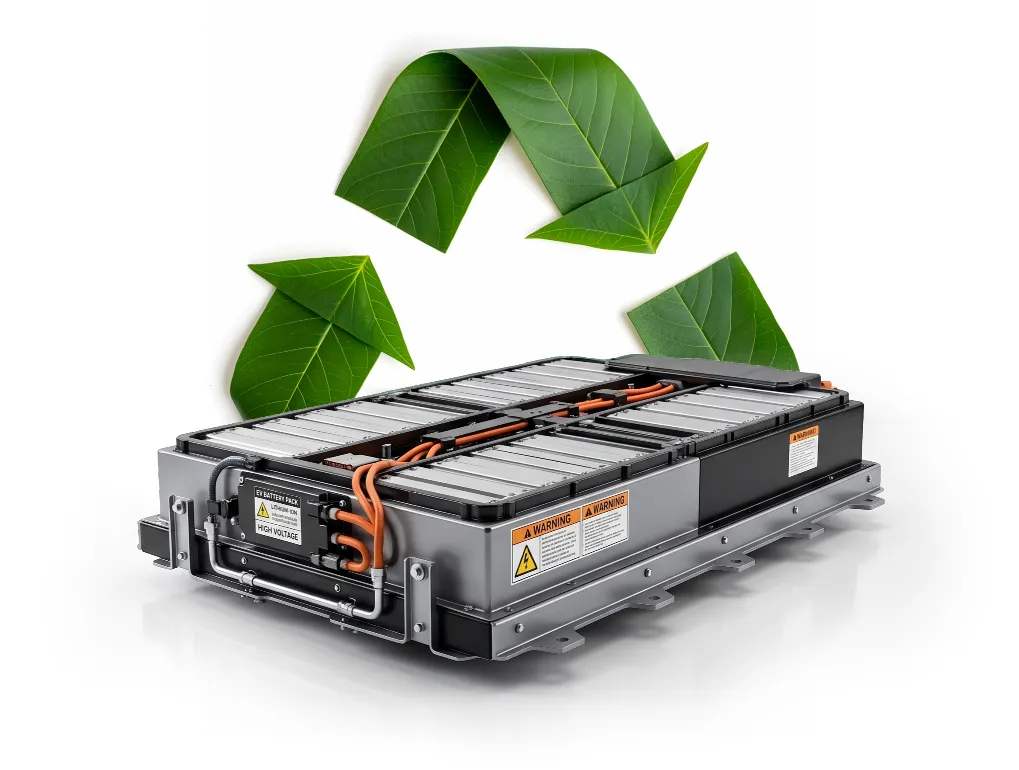
We specialize in li ion battery recycling, reclaiming valuable materials like lithium, cobalt, and nickel. This not only reduces waste but also salvages resources worth millions, paving the way for sustainable and economical battery production.
Up to 10% of lithium-ion batteries produced end up as scrap, amounting to thousands of tons annually.
Confronting the Environmental Crisis of Battery Disposal
The Challenge
Over 2 million tons of lithium-ion batteries are discarded each year worldwide, with less than 5% li ion battery recycling.
Our Response
Our startup utilizes advanced recycling techniques to safely decommission and repurpose up to 95% of these batteries' components. As one of the trendsetting battery recycling companies, we aim to prevent the release of about 1,500 tons of hazardous waste annually through this initiative. Our goal is to reduce ecological footprints and supporting a circular economy.
These batteries, rich in toxic elements, contribute to over 70% of heavy metals in landfills, risking severe soil and water contamination.
The Cost and Impact of Mining
Mining lithium, an essential battery component, is not only cost-intensive but also water-intensive. It's estimated that mining 1 tonne of lithium consumes approximately 500K gallons of water, leading to drastic ecological imbalances.
Li+Ve stands at the forefront of addressing these multifaceted environmental challenges, revolutionizing battery recycling for a greener tomorrow.
Pioneering Sustainability in Battery Recycling
01
Our solution extracts essential metals Nickel, Manganese, Lithium, and Cobalt in salt form.
02
We recover 95% of metals with 99% purity
03
We transform the metals into battery-grade form
04
Our technology is cost effective and sustainable
A dynamic extension of SAN Automotive, presents a clean tech solution for a sustainable future.
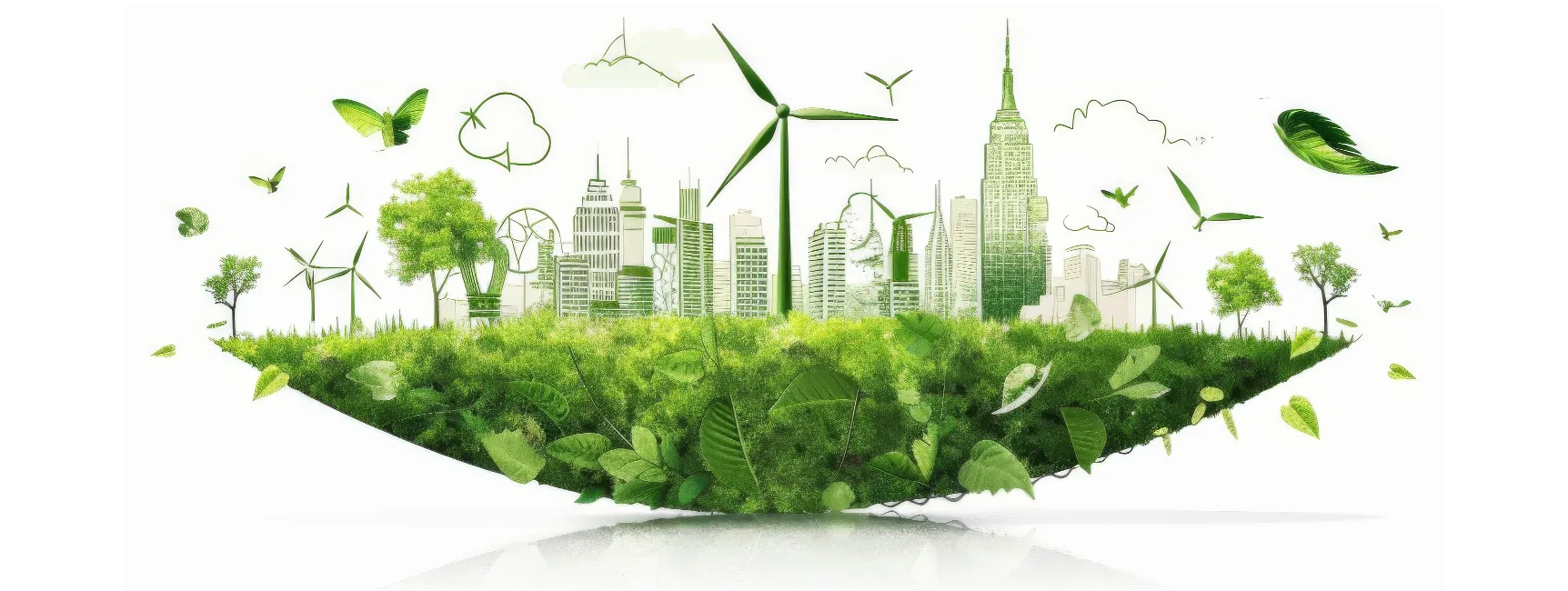
Amidst growing environmental concerns associated with battery disposal, Li+Ve emerges as a beacon of innovation. Our mission is clear: transform the way batteries are recycled, turning ecological challenges into opportunities for sustainable development. By integrating cutting-edge technology with ecological responsibility, Li+Ve is not just recycling batteries; we're reshaping the future of energy and sustainability.
Revolutionizing Recycling with the Li+Ve Method
Introducing the Li+Ve Method
At Li+Ve, we go beyond traditional recycling methods. As one of the best e waste management companies in India, we have a unique process that transcends the conventional production of black mass, delving deeper into the lifecycle of batteries. Utilizing our advanced +Hydra and +Hydro solutions, we efficiently extract critical minerals such as Lithium (Li), Manganese (Mn), Cobalt (Co), and Nickel (Ni) from used batteries.
Our sustainable and optimal approach not only recovers these essential materials with high purity but also does so in an environmentally friendly manner. This innovative method represents a significant leap in recycling technology, offering a scalable and sustainable solution to meet the demands of an electrified future.







Battery Materials
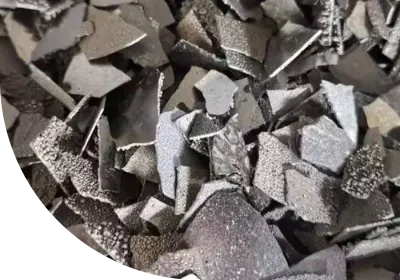
Cobalt Metal Flakes
Contains more than 99.5% Cobalt Metal.
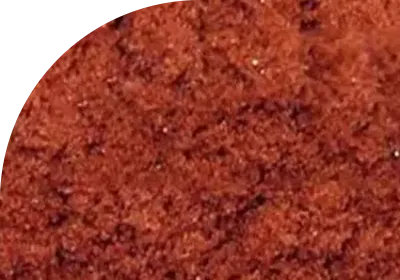
Cobalt Sulfate
99.5% purity CoSO4, impurities limited to 500 PPM
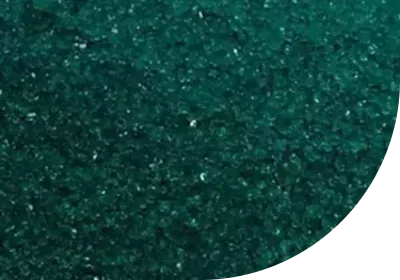
Nickel Sulfate
99.5% purity NiSO4, impurities limited to 500 PPM
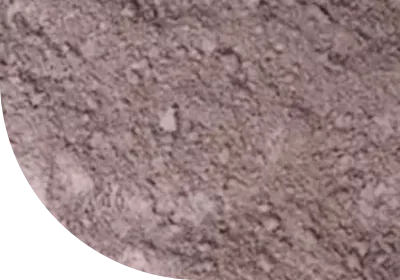
Cobalt-Manganese-Nickel Mixed Carbonate
Co-Mn-Ni Carbonate with impurities limited to 500 PPM
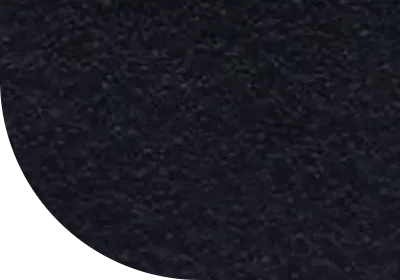
Manganese dioxide
99.5% purity MnO2, impurities limited to 500 PPM
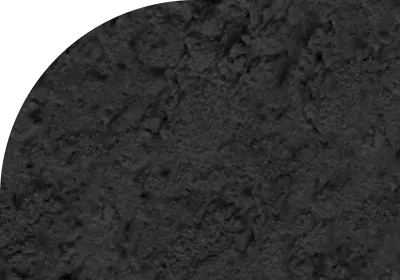
Cobalt Black Mass
Contains between 17% to 21% Cobalt.
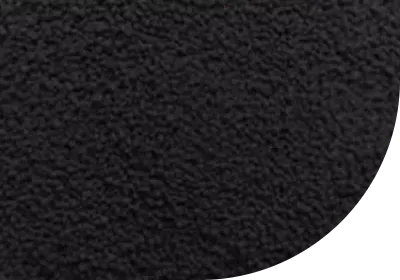
NMC Black Mass
Contains between 16% to 20% Nickel and 3% to 5% Cobalt
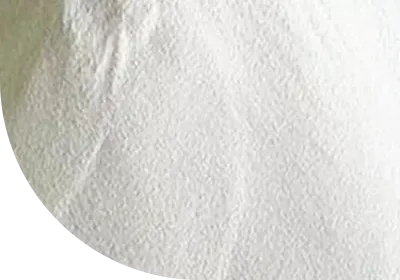
Lithium Carbonate
99.5% purity Li2CO3, impurities limited to 500 PPM
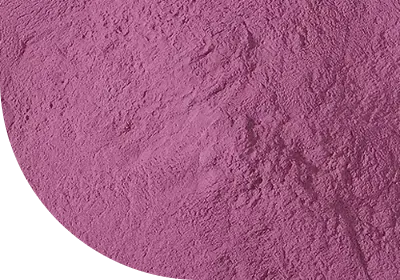
Cobalt Carbonate
99.5% purity CoCO3, impurities limited to 500 PPM

Nickel Carbonate
99.5% purity NiCO3, impurities limited to 500 PPM
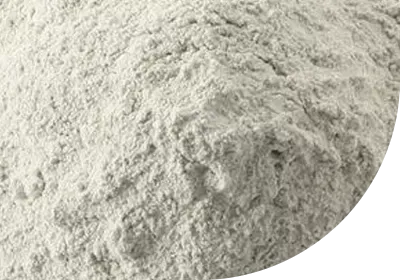
Lithium Phosphate
99.5% purity Li3PO4, impurities limited to 500 PPM